States Move to Ban Cryptocurrency Kiosks as Scams Mount
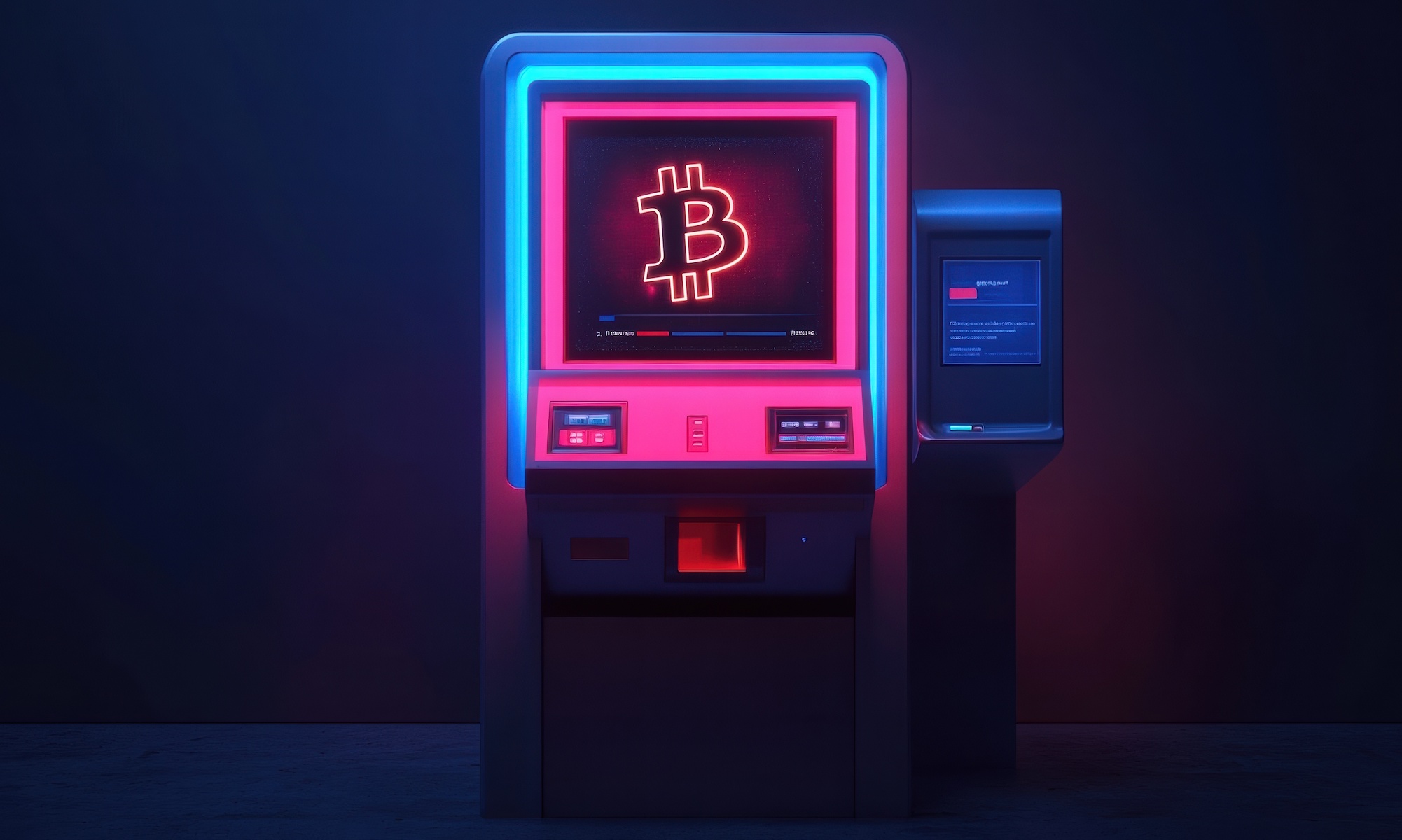
States and cities are moving to ban cryptocurrency kiosks as scams mount across the country. Local leaders want to stop bad actors from taking money from unsuspecting victims through these machines. This news comes as officials see a sharp rise in fraud tied to cash-to-crypto terminals in their neighborhoods.
Why are states banning cryptocurrency kiosks?
Local leaders are taking action because fraudsters trick people into sending money through cash-to-crypto machines. Scammers often call victims on the phone, pretend to be government agents or police, and tell them to deposit cash fast. Victims insert paper bills into a local machine to buy digital coins like Bitcoin, which are then sent straight to the scammer wallet address.
Once cash goes into a machine, the transaction is hard to reverse. Police departments say it is almost impossible to get the stolen money back once the transfer finishes. Because of these fast losses, lawmakers believe that removing the physical machines from local gas stations and convenience stores is the best way to keep vulnerable residents safe from fraud.
What does this mean for regular crypto users?
If you use physical kiosks to add funds to your digital wallet, you may soon need to find another option. These potential bans mean machines could disappear from local stores in many towns and cities. Everyday users will have to switch to online exchanges or other trusted platforms to buy their digital assets instead of using cash on the street.
For most everyday buyers, online platforms are already the main way to trade. Using established digital exchanges often comes with lower fees than using physical machines in stores. However, people who do not have traditional bank accounts may find it harder to convert their paper cash into digital tokens if these local kiosks get shut down completely.
How did local crypto kiosks become so common?
Over the last few years, these machines popped up in thousands of retail locations. They offered a quick way for anyone to turn physical cash into digital currency without waiting for a bank transfer. Operators placed them in high-traffic spots so customers could easily walk up, put cash in the slot, and get coins sent to a smartphone app in just a few minutes.
However, that easy access also attracted criminal networks looking for quick cash payouts. Because the machines stand in public stores and operate quickly, scammers found it simple to direct panicked victims to the nearest location. As complaints built up at local police stations, city councils and state lawmakers decided they had to step in and look at full bans.
What happens next with crypto kiosk laws?
More state legislatures and city councils are preparing to vote on new rules for these machines. Some areas want a total ban on all physical terminals within their borders. Other regions are looking at strict rules, such as daily transaction limits, mandatory warnings on machine screens, or cooling-off periods before a deposit goes through.
You can expect to see more news as individual cities make their final choices over the coming months. Kiosk operators may fight these bans in court or try to add better security features to satisfy city leaders. For now, officials advise everyone to remember that no real agency will ever demand that you put cash into a store machine to settle a problem.


Comments
Post a Comment