Springfield Considers Full Ban on Crypto Kiosks
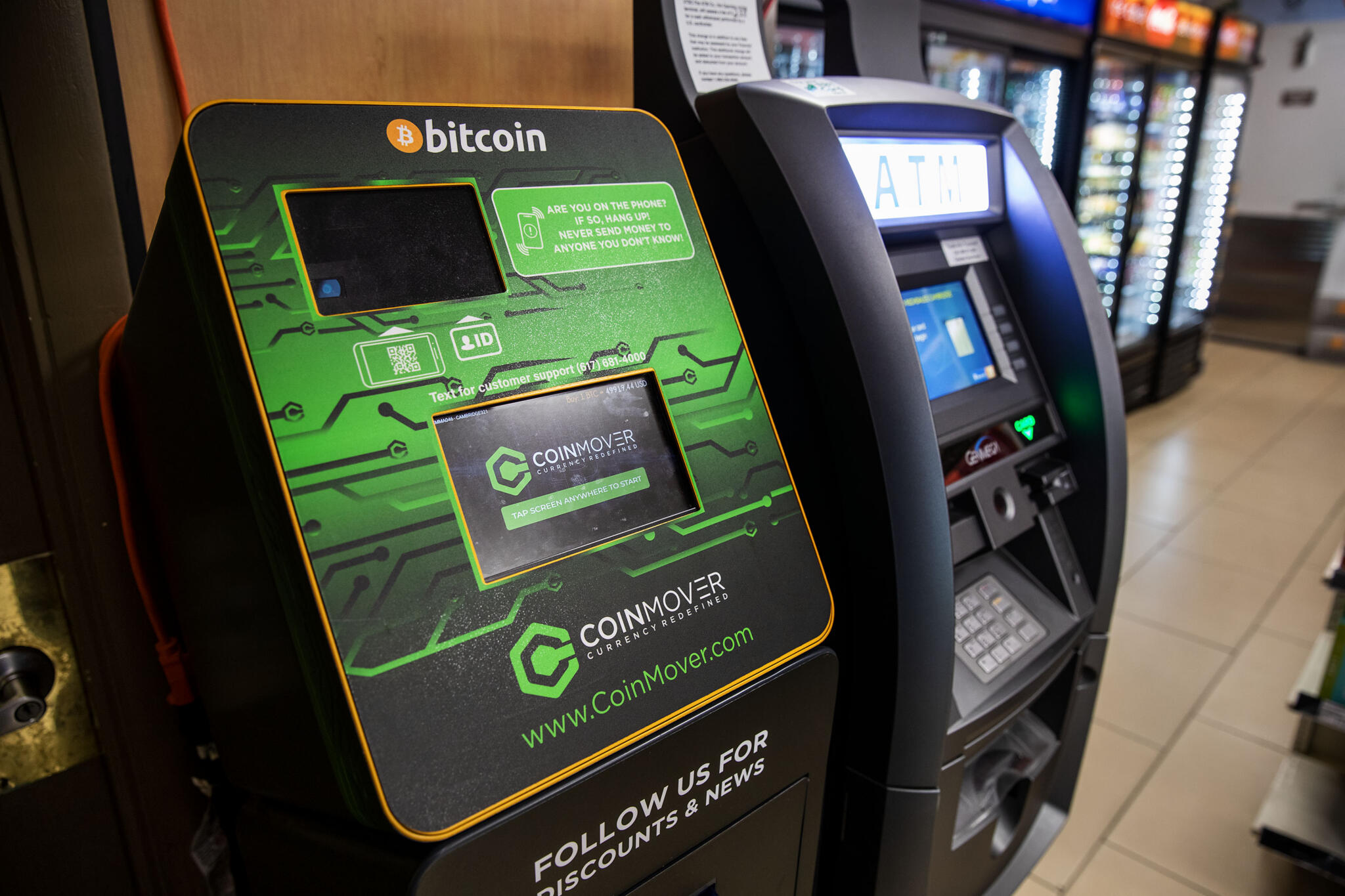
Springfield City Council is getting ready to consider a full ban on cryptocurrency kiosks. Local leaders want to stop bad actors who use these machines to scam people out of their money. The plan aims to shut down easy cash-to-crypto machines across the entire city.
Why is Springfield planning a crypto kiosk ban?
City officials want to act because criminals often trick regular people into sending cash through these machines. A scammer calls an older adult or a worried parent and tells them to go to a local corner store. The victim feeds paper cash into the machine, and the digital coins vanish into the thief's wallet within minutes.
Public records show that issues around Cryptocurrency and crime often point to physical machines as an easy route for fraud. Local leaders see this problem every day in their neighborhoods. Removing the kiosks takes away a simple tool that thieves use to steal hard-earned money from everyday residents.
How cryptocurrency kiosks work in local shops
A crypto kiosk looks and acts a lot like a normal bank ATM. Instead of giving you cash from your bank balance, it takes your cash and turns it into digital coins. You can learn more about how Cryptocurrency works in normal financial setups, but kiosks are built for quick, in-person cash deposits.
These machines sit in convenience stores, gas stations, and small grocery shops where anyone can walk up and use them. They offer an easy on-ramp for buyers, but they also bring serious risks. Here are the main ways these kiosks affect the local community:
- They let users trade paper bills directly for digital coins in minutes.
- They often charge high fees that confuse first-time buyers and older users.
- They give thieves a fast path to push victims into sending irreversible payments.
- They are hard for local police to track once someone feeds cash into the slot.
What happens next for crypto users in the city?
The city council will review the full ban and debate the exact terms before any vote. Store owners who host these machines may push back if they make extra rental cash from kiosk space. Still, many neighbors and safety groups support clean steps that block fraud before it happens.
If Springfield passes this rule, other nearby towns may look at the same ban for their own main streets. Anyone who wants to buy digital assets will need to use regulated online apps and normal bank transfers instead of street-corner machines. For now, the city is focused on cutting off scam traps before more people lose their savings.


Comments
Post a Comment