CME Group Offers Bitcoin Futures for Big Crypto Traders
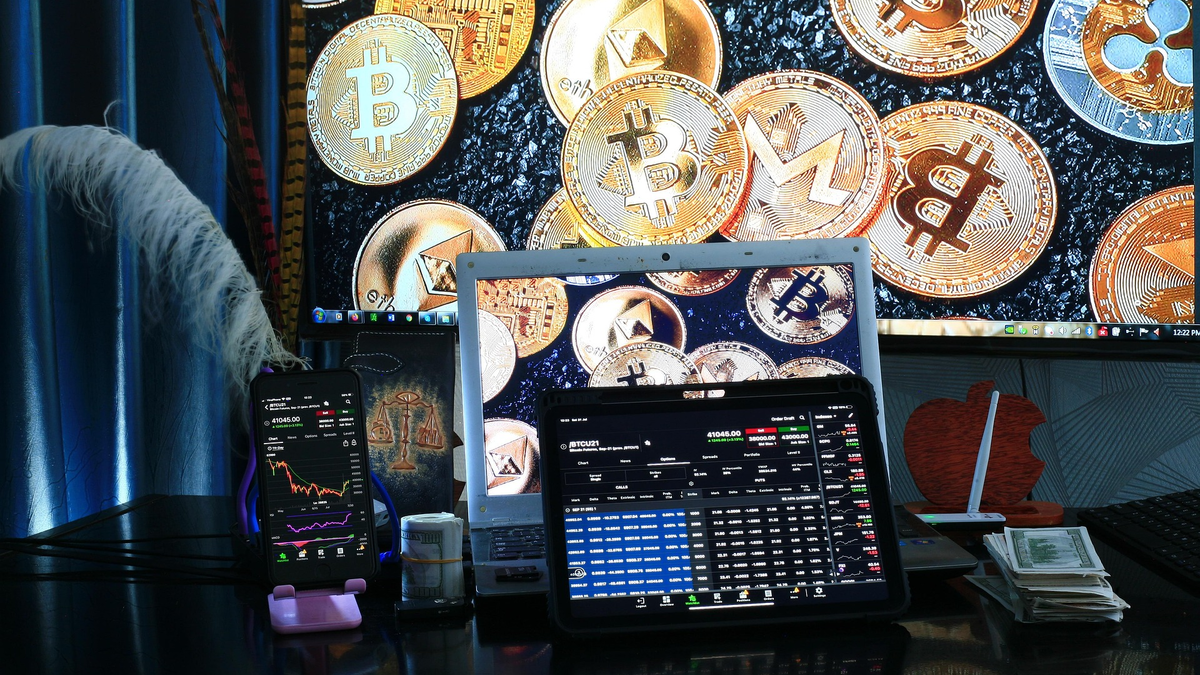
CME Group provides regulated trading for Bitcoin futures contracts. These tools let market players trade based on the future price of digital assets. Big firms use these contracts every day to handle market risk.
What are Bitcoin futures on CME Group?
A Bitcoin futures contract is a simple deal between two traders. They agree today on a price to buy or sell Bitcoin at a later date. This contract happens on a regulated exchange run by CME Group. The setup lets large investors join the market through regular financial channels.
Many big funds want exposure to digital coins without setting up digital wallets. Holding actual coins requires special software, private keys, and safety plans. A futures contract removes that technical work for traditional firms. The exchange handles the settlement, so the process feels familiar to stock and bond traders.
How do Bitcoin futures work?
Trading on a formal exchange follows clear rules that protect both sides of the deal. Here are the main parts of how these contracts run:
- Traders agree on a fixed price for a specific date on the calendar.
- The contract tracks the market price as time moves forward.
- Buyers profit when the asset price climbs above their entry point.
- Sellers gain when the asset price falls below their chosen level.
Contracts have set expiration dates where the trade closes out completely. Traders can settle the difference in cash based on the final numbers. This means physical delivery of coins is not always needed to finish the deal. The setup keeps the flow fast, simple, and transparent for everyone on the floor.
Why do big funds choose regulated markets?
Large investment firms face strict rules about where they can put client cash. They cannot always use small crypto apps or unregulated web platforms. CME Group gives them a trusted place with long history and government oversight. This trust brings large amounts of capital into the digital asset space.
These markets also help big traders manage their overall market risk. If a fund holds actual coins, it might sell futures to protect against a sudden price drop. If the price goes down, the profit from the futures trade balances out the loss. This practice keeps balance sheets steady during volatile weeks.
What should regular market watchers track next?
Ordinary readers can learn a lot by watching trading activity on major exchanges. High trading volume usually means institutional interest is strong and active. Low volume can mean large investors are waiting on the sidelines for clearer signals. Checking these trends helps people see where the smart money is moving.
You can also watch how futures prices compare to the current cash price of the coin. When futures trade higher, traders often expect the market to climb over time. When futures trade lower, market players might be bracing for a pullback. Following these simple signals helps anyone understand the broader financial world much better.


Comments
Post a Comment